Rubbish clearance Kew Gardens area TW9 local tips
Posted on 04/09/2026
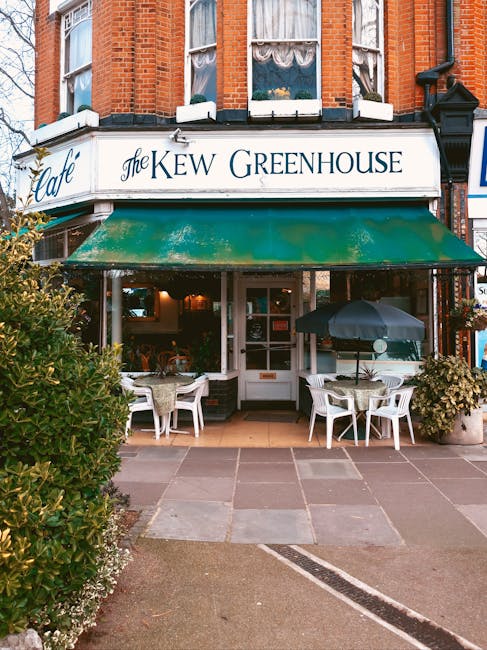
If you live or work around Kew Gardens in TW9, rubbish clearance can be a lot more fiddly than people expect. Narrow residential streets, controlled parking, shared entrances, busy pavements, flat blocks, and the occasional awkward sofa that looked smaller in the living room all change the job. The good news? With the right approach, rubbish clearance in the Kew Gardens area can be smooth, tidy, and surprisingly stress-free.
This guide pulls together practical Rubbish clearance Kew Gardens area TW9 local tips for homes, flats, landlords, small businesses, and anyone trying to clear space without creating extra hassle. You will find advice on planning, access, loading, compliance, and how to avoid the common mistakes that turn a simple collection into an all-day headache. Let's keep it useful, local, and grounded in what actually helps.
- Why it matters
- How it works
- Key benefits
- Who it is for
- Step-by-step guidance
- Expert tips
- Common mistakes
- Tools and resources
- Law, compliance, and best practice
- Options and comparison
- Real-world example
- Practical checklist
- Conclusion
- Frequently asked questions
Why Rubbish clearance Kew Gardens area TW9 local tips Matters
Local rubbish clearance is rarely just about "getting rid of stuff". In Kew Gardens and wider TW9, the practical details matter: where the vehicle can stop, how quickly items can be carried out, whether the property has stairs or a lift, and whether the load includes anything that needs careful handling. A rushed plan can mean delays, neighbour complaints, missed parking windows, or a collection that costs more than it should.
It also matters because people in this part of Richmond often live in period homes, mansion blocks, terraces, and converted flats where access is limited and every minute counts. A front garden full of renovation waste or a hallway stacked with old furniture can feel very out of place. The sooner it is cleared properly, the sooner the place feels calm again. Simple as that.
There is another reason this topic deserves proper attention: responsible disposal. If you are clearing out household rubbish, mixed waste, appliances, or builder's debris, you want confidence that it will be handled lawfully and sensibly. That is where a good local service, clear communication, and a bit of pre-planning make a real difference.
For readers who want to understand the wider service picture, the site's services overview is a useful starting point, especially if you are comparing domestic, furniture, garden, house, or builders waste solutions.
How Rubbish clearance Kew Gardens area TW9 local tips Works
In practical terms, rubbish clearance usually follows a straightforward pattern: you explain what needs removing, the provider estimates the volume and access requirements, a collection is arranged, and the waste is loaded and taken away. What makes TW9 different is not the process itself, but the planning around it.
Here is the usual flow:
- Identify the waste types. General household rubbish, broken furniture, garden cuttings, renovation debris, appliances, or mixed clear-out waste all behave differently in a collection plan.
- Check access. Can a van stop nearby? Is there lift access? Will the crew need to walk through communal areas? These details can change timing and cost.
- Estimate the volume. A small pile in a hallway may look harmless, but once bagged and stacked, it can fill a vehicle faster than expected.
- Confirm any restrictions. Some items are heavier, sharper, or more sensitive than standard rubbish, so they may need separate handling.
- Arrange collection. The cleaner the handover, the quicker the job usually goes. That means clear instructions, ready access, and items placed together where possible.
In a neighbourhood like Kew Gardens, the collection itself can take place in a very ordinary way, but the timing around parking, loading, and moving items from the property is what often decides whether the day feels easy or annoying. And nobody wants the annoying version.
If you are unsure what counts as a standard collection versus a more involved clear-out, it can help to look at domestic waste collection in Richmond upon Thames and compare it with more specialised removals such as house clearance services.
Key Benefits and Practical Advantages
A well-planned clearance gives you more than a tidier property. It can save time, reduce stress, and stop small problems from turning into bigger ones. In a busy area like TW9, that is worth a lot.
- Less disruption: Good scheduling avoids awkward times for neighbours, deliveries, and school runs.
- Better value: Accurate waste descriptions and volume estimates help prevent surprises on the day.
- Cleaner finish: Proper clearance means fewer leftover bits in corners, sheds, basements, or communal spaces.
- Safer handling: Bulky furniture, sharp materials, and heavy appliances are removed without unnecessary strain.
- More responsible disposal: A reputable operator will separate recyclable material where possible and handle waste in line with UK expectations.
There is also a very human benefit: you get your space back. That spare room becomes usable again. The garden path stops looking like a storage zone. The front hallway breathes a bit. Little things, but they change how a property feels.
For some customers, the biggest gain is simply peace of mind. If the team is clear about safety, pricing, and what happens to the waste, the whole experience is easier. You can check practical trust signals through pages such as insurance and safety and waste carrier licence and compliance.
Who This Is For and When It Makes Sense
Rubbish clearance in the Kew Gardens area is not just for big clear-outs. It makes sense in lots of everyday situations.
- Homeowners clearing lofts, garages, sheds, or old furniture after a long-overdue tidy-up.
- Flat owners needing help moving bulky items down stairs or through shared entrances.
- Landlords and letting agents dealing with end-of-tenancy leftovers, mattress disposal, or abandoned items.
- Gardeners and homeowners with green waste after pruning, landscaping, or a seasonal overhaul.
- Builders and renovators who need construction waste cleared before the next stage of work.
- Small businesses with office clutter, packaging waste, or unwanted stock.
It is usually the right choice when a skip would be inconvenient, when the items are too bulky for standard bins, or when you want the work done quickly without a long disruption. Truth be told, many people in TW9 are juggling work, family, and parking restrictions already, so paying for a cleaner handover is often the sensible call.
If the job involves mixed household belongings rather than simple bagged rubbish, a furniture-focused service may be the better fit. You can explore that through furniture removal in Richmond upon Thames if sofas, wardrobes, tables, or beds are part of the load.
Step-by-Step Guidance
Here is a practical way to plan rubbish clearance in Kew Gardens without overcomplicating it. Not glamorous, but it works.
- Walk through the property first. Note what needs removing, what can be donated or reused, and what is definitely waste.
- Group similar items. Put furniture together, bagged rubbish together, and garden waste together if possible. This speeds up loading.
- Measure access. Check stair widths, doorway sizes, parking distance, and whether the vehicle can stop close enough.
- Take a few clear photos. Photos help avoid misunderstandings, especially with mixed loads or larger items.
- Tell the provider about anything awkward. Heavy appliances, broken glass, damp waste, or items in a basement should be mentioned early.
- Prepare the route. Move small obstacles, protect floors if needed, and keep communal areas clear where you can.
- Confirm timing. In a busy area, a morning slot can be easier than later in the day when parking becomes tighter.
- Ask what happens after collection. Reuse, recycling, and lawful disposal should be part of the conversation, not an afterthought.
A small detail that people often overlook: keep one bag or box aside for items you are not sure about. It is amazing how often an "I might need that later" pile saves a lot of backtracking. Then again, it can also become the very thing that blocks the hallway for another month. You know how it goes.
Expert Tips for Better Results
A few local habits can make a noticeable difference to how smoothly the job goes.
1. Time the collection around access, not just your schedule
In TW9, access is often the real bottleneck. If a street gets busy at school drop-off, or parking becomes tight after mid-morning, that should shape the collection window. A slightly earlier slot may save half an hour of faff.
2. Be precise about item types
"A bit of rubbish" is too vague. Say whether it is soft household waste, furniture, garden trimmings, renovation rubble, or appliances. Precision helps with the vehicle size, crew size, and pricing. It also helps the team bring the right equipment.
3. Separate reusable items from true waste
Many households hold onto items that could still be used elsewhere. If an item is in decent condition, it may be better to set it aside before clearance day. That keeps the load cleaner and reduces waste sent to disposal.
4. Think about neighbours and shared spaces
In flats and converted buildings, the shared hallway and stairwell matter. Keep them clear, avoid blocking fire routes, and let neighbours know if there will be short-term movement through communal areas. It is just neighbourly, really.
5. Ask about recycling intentions
You do not need a lecture on sustainability, but you do deserve a sensible explanation of how mixed waste is handled. If a service has a clear recycling approach, that usually says something good about the way it works overall. A useful page to review is recycling and sustainability.
And one more thing: if the job is part of a property sale, refurbishment, or end-of-tenancy turnaround, build in a little breathing room. The final hour always contains a surprise. Always.

Common Mistakes to Avoid
Most clearance problems are preventable. That is the annoying part, but also the good news.
- Underestimating the volume. What looked like three bags can become a full load once sorted and stacked.
- Forgetting access details. A blocked driveway, low arch, or narrow stairwell can slow everything down.
- Mixing hazardous or awkward items into general rubbish. Some waste requires extra care, so do not hide it in the pile.
- Leaving everything until collection day. The more organised the property is, the faster the team can work.
- Choosing only on price. Cheap can be fine, but the cheapest option is not always the best if compliance, safety, or reliability is weak.
- Assuming every provider handles all waste types the same way. Builders waste, appliances, and domestic clear-outs may need different handling.
There is also a subtle mistake people make: not asking what is included. Loading only? Labour? Disposal? Stairs? Parking time? The honest answer is that these things matter. A clear quote normally saves arguments later.
Tools, Resources and Recommendations
You do not need specialist gear for every clearance, but a few simple tools help make the day less chaotic.
- Heavy-duty bags and boxes: Better for sorting smaller waste before collection.
- Marker pen and labels: Handy if you are separating keep, donate, and dispose piles.
- Gloves and sturdy shoes: Useful if you are moving items before the crew arrives.
- Floor protection: Cardboard or temporary coverings can help in narrow hallways or older properties.
- Phone photos: A few clear images make quoting and planning much easier.
- Checklists: A simple written list stops small items from being forgotten in cupboards and sheds.
For pricing clarity, a good place to start is the provider's pricing and quotes page. If you are comparing service types, the services overview can help you match the job to the right option without guessing.
If your clearance is tied to a larger property move or sale, these reads can also be useful in context: rubbish removal guidance for homes and flats, steps to buying real estate in Richmond smartly, and real estate sales in Richmond.
Law, Compliance, Standards, or Best Practice
Rubbish clearance is one of those services where the invisible bits matter. Most people care about the result they can see - the empty room, the clear driveway, the tidy garden - but the back-end handling matters just as much.
In the UK, a reputable waste carrier should be able to explain its compliance approach plainly. That includes being properly authorised to carry waste, handling items safely, and disposing of waste responsibly. If a provider cannot explain that in simple language, that is worth noticing.
Best practice also includes:
- Clear descriptions of what is being removed before collection.
- Transparent pricing with no awkward surprise additions where possible.
- Safe handling for heavy, sharp, dusty, or awkward items.
- Respect for property, including communal areas, floors, and entrances.
- Responsible disposal and recycling wherever suitable and lawful.
If you want to check a provider's stance on this side of things, the site's waste carrier licence and compliance page is a good reference point, and the insurance and safety page gives another layer of reassurance.
It is also sensible to review the fine print for clarity on service scope, cancellations, and payment terms. Pages like terms and conditions and payment and security exist for a reason, after all.
Options, Methods, or Comparison Table
Different rubbish clearance methods suit different properties in Kew Gardens. The right choice depends on access, volume, item type, and how quickly you need everything gone.
| Method | Best for | Pros | Watch outs |
|---|---|---|---|
| Ad hoc bagged rubbish removal | Small household clear-outs | Quick, simple, minimal disruption | Not ideal for bulky or heavy waste |
| Bulky item collection | Sofas, beds, wardrobes, white goods | Good for one-off large items | Needs clear access and accurate item details |
| House clearance | Whole rooms, estates, end-of-tenancy work | More efficient for bigger jobs | Can take longer if items are mixed throughout the property |
| Garden waste removal | Cuttings, branches, soil-filled bags, green waste | Neat solution for outdoor jobs | Wet or heavy waste can increase weight fast |
| Builders waste removal | Renovation debris, timber, plasterboard, rubble | Useful when work is ongoing | Needs careful sorting and safe loading |
If your job has a lot of dismantled furniture or appliances, it may sit somewhere between furniture removal and domestic clearance. For a broader job, a full house clearance service can be simpler than piecing together several smaller collections.
Case Study or Real-World Example
Picture a first-floor flat near Kew Gardens with a spare room that has become a storage zone. There is a broken bookshelf, an old mattress, several bags of mixed household waste, a tired office chair, and a few boxes from a recent declutter. On paper, not a monster job. In practice, it needs a bit of planning.
The resident takes photos, checks the stairwell, and makes sure the hallway is clear before collection day. They separate a few reusable items from waste, place bagged rubbish together, and tell the provider about the mattress and chair in advance. The collection is booked for early morning, before the street gets busier.
On the day, the crew can move through the property with less friction because the route is already clear. The collection feels quick, the flat is left tidy, and the resident can finally use the room for work instead of storage. No drama. No doubled-up trips. Just a clean finish.
That kind of result is very normal when the job is planned properly. The "local tip" part is really about reducing friction before it happens.
If the waste includes old appliances, you may want to look at white goods and appliance disposal as a separate consideration, because fridges, freezers, and washing machines often need different handling from general rubbish.
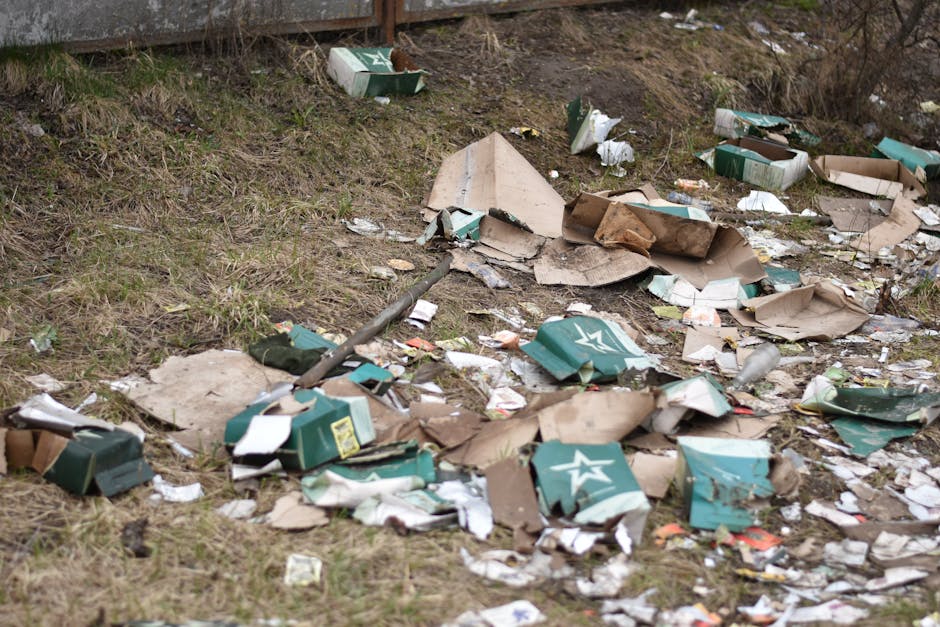
Practical Checklist
Use this quick checklist before booking rubbish clearance in the Kew Gardens area:
- List everything that needs removing.
- Separate reusable, recyclable, and waste items where you can.
- Take clear photos of the load and access route.
- Check for stairs, lifts, narrow hallways, and parking limits.
- Tell the provider about bulky, heavy, wet, or awkward items.
- Ask what is included in the quote.
- Confirm whether the job is domestic, furniture, garden, builders, or mixed waste.
- Clear the path through the property and communal areas.
- Keep valuables and personal paperwork away from the clearance zone.
- Make sure you understand timing, payment, and next steps.
Expert summary: the best rubbish clearance jobs in TW9 are rarely the ones with the fewest items; they are the ones where access, timing, and waste type are understood properly before anyone arrives. That is the whole game, really.
Get a free quote today and see how much you can save.
Conclusion
Rubbish clearance in the Kew Gardens area TW9 does not need to be complicated, but it does need to be planned with the local environment in mind. When you factor in access, parking, item type, and responsible disposal, the process becomes much easier to manage. A little preparation before the crew arrives can save time, reduce stress, and make the whole property feel instantly better.
If you remember only one thing from these local tips, let it be this: be clear about what needs removing and what the access looks like. That one habit solves a surprising amount of hassle. And honestly, that is often enough.
For helpful background on the team, service standards, and practical expectations, you can also review about the company for a clearer sense of how the service is approached.
When the last bag is gone and the hallway is quiet again, the space feels lighter. That part never gets old.

